The Vibe Check Has a Paper Trail: Hollywood’s 2026 Friend Contracts, Explained

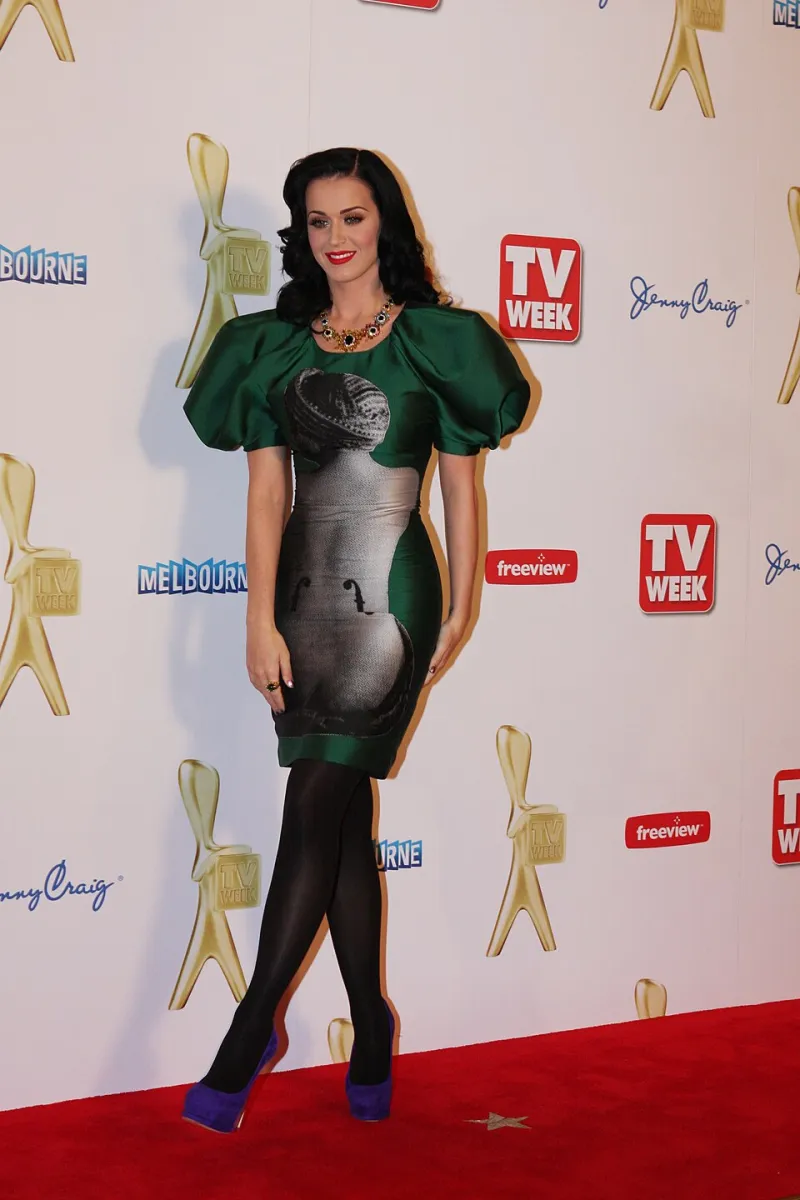
Photo: Altitonantis, CC0, via Wikimedia Commons
Every few months, a screenshot circulates that allegedly shows the inner workings of a famous friend group: a PDF called something like “The Handbook,” a list of rules about tagging, exes, and group trips, and a signature line at the bottom. In 2026, the rumor has upgraded from gossip to pseudo-legal lore. The story goes that Hollywood’s tightest squads—the ones with matching birthday posts and coordinated Aspen photos—are making new members sign actual contracts before they get access to the close-friends story.
It is a great story. It is also, according to the people who actually draft talent agreements, mostly a fantasy with a few real-world seeds. Here is what the so-called harem handbook gets right, what it exaggerates, and why the group chat has become the most litigated space in celebrity culture.
First Rule of the Handbook: There Is No Handbook (Usually)
“I have never seen a friendship NDA,” says one Beverly Hills entertainment attorney who works on talent and brand deals. “I have seen morality clauses, confidentiality clauses, and social-media riders for employees and contractors. I have not seen a document that says ‘sign here to be my friend.’”
That does not mean nothing is happening. Publicists and crisis managers say the modern celebrity inner circle runs on a mix of informal rules and formal paperwork that applies to the people around the star—assistants, stylists, security, sometimes a plus-one traveling on the brand’s dime. The “handbook” is usually a group-chat constitution, not a contract. It lives in pinned messages, voice notes, and the collective memory of who got left off the boat in Cabo.
The rumor persists because the line between friend and staff has blurred. A best friend who appears in sponsored content, handles a celebrity’s finsta, or gets flown out for a birthday is doing work. Work invites paperwork. Friendship invites vibes. In 2026, the two are sharing a legal team.
Clause One: The Posting Schedule
The most believable section of the alleged handbook is the social-media rulebook. According to the whispers, new members are briefed on when to post, what to tag, which photos require approval, and which exes must be cropped out. A publicist who represents influencers and actors calls this “reputation management by friendship.”
“Nobody hands you a binder,” she says. “But you will get a text that says, ‘Can you not post that one?’ And if you post it anyway, you will find out very quickly what the group thinks.”
The real rule is not a clause. It is a test. Can you read the room? Do you know that a birthday dinner is on background until the official carousel goes live? Do you understand that a casual Story can undercut a carefully negotiated magazine cover? The handbook, if it exists, is a formalization of that test—a way to pretend the vibes are objective.
Clause Two: The Ex Protocol
Hollywood’s 2026 plus-one economy has made exes part of the extended harem. They show up at group dinners, pop into comments, and get invited to the same wellness retreats. The rumored handbook supposedly addresses this with an “ex protocol”: notify the group before interacting with a former flame, do not post a photo with an ex without clearance, and never let an ex become a surprise guest on a group trip.
Attorneys say this is where fan fiction does the most work. A friend group cannot legally enforce a no-ex rule. But a star’s team can shape the guest list, the seating chart, and the flow of information. “It is not a contract,” the attorney says. “It is a logistics meeting. The ex is not banned. The ex is just not on the call sheet.”
In practice, the ex protocol is less about romance and more about narrative control. A recycled ex can be good for engagement. A surprise ex can wreck a launch. The handbook is trying to turn a messy human variable into a manageable calendar item.
Clause Three: Trip Attendance and the RSVP Tax
Group trips are the closest thing to a real onboarding process. Flights are booked, rooms are assigned, content windows are discussed, and someone has to explain why the new guy is coming to Italy but not to the wedding. The alleged handbook reportedly includes attendance expectations, cost-sharing rules, and a warning about “brand alignment”—code for not doing anything on the trip that will make the group look messy.
Publicists say the trip is where the informal contract gets tested. “You find out who is a friend and who is a friend of the brand,” one says. “The brand friend gets the itinerary. The real friend gets the 2 a.m. phone call.”
The RSVP tax is real, though rarely written down. Say yes too often and you become staff. Say no too often and you become a rumor. The handbook, if it exists, is an attempt to make that math feel fair.
Clause Four: Breaking Rank
The sexiest part of the rumor is the enforcement. What happens when a member breaks rank? According to the fan fiction, there is a strike system: a warning, a soft unfollow, a removal from the close-friends list, and finally a leak to a gossip account. The reality is less cinematic and more administrative. You get moved to the second group chat. You stop getting the location drop. You become someone the squad “loves but never sees.”
Lawyers say actual NDAs around celebrities usually cover employees and vendors, not friends. A friendship NDA would face basic legal problems: what is the consideration, what is the term, and who is enforcing a rule about tagging? “You can contract for confidentiality,” the attorney says. “You cannot contract for loyalty. That is a vibe, not a clause.”
What’s Real, What’s Fan Fiction
The real 2026 inner-circle contract is a hybrid: a group-chat culture with legal guardrails around the money. If a friend appears in a sponsored post, there may be a release. If a plus-one travels on a private jet, there may be a confidentiality agreement. If an ex is invited to a brand event, there is definitely a publicist involved. The “harem handbook” is the internet’s attempt to make that boring machinery sound like a secret society.
And maybe it is a little bit of a secret society. The handbook rumor persists because fans want to believe the friend group has rules—because rules make the chaos feel readable. In 2026, the vibe check has a paper trail, even if the paper is mostly a pinned message and a very stern emoji.
The bottom line: do not expect a signed friendship contract to surface anytime soon. Do expect the group chat to keep acting like one.